By SHASHANK BENGALI
About 200,000 refugees, mostly women and children, have fled from a pro-government offensive to makeshift camps along a 10-mile stretch of sun-baked asphalt that leads from the seaside capital of
The crisis is brutal on young people.
One night last month, Fatima Sheikh Ali awoke to the deafening crash of mortar rounds on her neighbor’s roof. Shrapnel blasted through Ali’s tin-walled home in
Sometime in the chaos of that night, Muna stopped speaking. In an overcrowded encampment of sand and scrub a few miles from the capital, where the family now lives among thousands made homeless by the war, Muna silently collected firewood and looked after her siblings, a worried gaze fixed in her almond eyes.
“She is traumatized,” her mother said.
The conflicts in
Most displaced Somalis, such as Muna’s family, live in dome-shaped huts fashioned out of spindly tree branches and covered with tattered swatches of fabric or plastic. They sprout from the sand like multicolored mushrooms along the road from the capital.
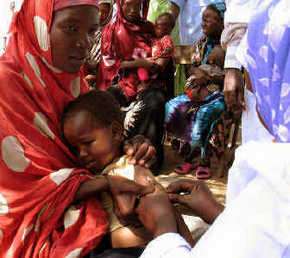 The United Nations Children’s Fund said last week that one-quarter of the refugees around Afgoye were younger than age 5. Both sides are using older boys as combatants, and girls who venture out of the camps risk being raped by freelance militias, the agency said.
Fewer than 1 in 10
Muna and her siblings aren’t among the lucky ones. Their southern neighborhood of Hodan has seen near-daily fighting as Somali government troops and their Ethiopian allies hunt for insurgents amid the low, whitewashed storefronts.
Local groups estimate that 6,000 people have died in the fighting this year.
Traveling
Checkpoints have popped up throughout southern
According to UNICEF, sick children and pregnant women often are turned away at checkpoints. In some areas, trucks carrying food and other humanitarian aid have to pay tolls of $500 each, U.N. officials said.
Last week,